ChatGPT and Mental Health: Understanding the Impact of AI on the Brain Written by Colleen Longua BCN-T, QEEG-T, ISF
AI and Our Changing World
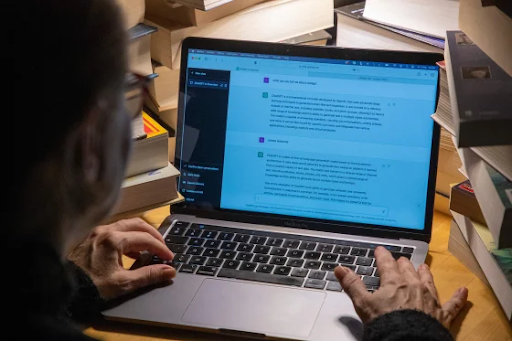
With the advent of AI, chatbots like ChatGPT are getting increasingly advanced, often able to mimic human speech and behavior. It is becoming harder and harder to differentiate between AI and real people. This has raised questions about the safety of chatbots, especially when it comes to using AI as a replacement for human relationships. So, what are the potential mental health risks of AI? Can it be a viable mental health tool and what do you as the consumer need to know?
When it comes to mental health, the biggest concern is with generative AI like the kind found in chatbots such as ChatGPT. Generative AI can produce original text, images, and even videos. This allows chatbots to often act incredibly lifelike, leading users to feel like they are talking to a real person. However, this is precisely what can make these chatbots so detrimental to our mental health. It feels equivalent to human interaction, even though it isn’t.
This has become a major mental health concern as many people have turned to chatbots as a replacement for human relationships. There is even a growing trend of people using ChatGPT as an alternative to seeing a therapist.
Can an AI Chatbot Act as my Therapist?
The short answer is no. Most chatbots are designed to keep users engaged, often by being extremely agreeable and inadvertently feeding into users unhealthy thought patterns. Therapists are held to strict requirements, designed to protect you as the client. Unlike going to a therapist, the information you share with a chatbot may be used without your consent. HIPAA and other ethical standards are not required for chatbots, putting you at risk if you are using generative AI as a substitute for therapy.
Chatbots have even discouraged users from talking to friends and family about these issues, resulting in further isolation. Tragically, there are many documented cases of individuals attempting suicide or harming others after extensive conversations with ChatGPT. In some cases, ChatGPT urged users to keep these thoughts and ideations a secret and even encouraged users to act on them.
One of the biggest benefits of therapy is having an objective listener who can challenge and reframe harmful thought patterns. A therapist can help examine the way we think and interact with the world, allowing us to break free from unhealthy patterns and behaviors. If you are looking for mental health support, finding a trained therapist can provide you with the support and tools that chatbots can’t.
Is AI Dangerous for my Mental Health?
This largely depends on how much you are using AI and what you are using it for. If you are using AI for simple, administrative tasks, setting clear limits on AI use, and engaging in meaningful connections with other people, you will likely not experience any detrimental effects on your mental health. However, using AI excessively, using it to think for you or as a replacement for human relationships, can lead to worse mental health. Even if you don’t have a history of mental health problems, excessive conversation with ChatGPT can lead to worse mental health.
Mental health experts warn that engaging with chatbots excessively can lead to increased isolation, rumination, and even a disconnect from reality. This is referred to as “AI psychosis.” Already, several cases of excessive chatbot use leading to delusions, hallucinations, and violent ideation.
Furthermore, no computer program, no matter how sophisticated, can ever replace the face to face, human interactions that take place in the therapy room. A major reason therapy works is because it is another person, the therapist, offering the positive regard, constructive feedback, and active listening we all crave. The beauty of talk therapy is that it is a space where we can be truly seen, heard, and affirmed by another human being.
We need other people to validate our existence, develop a healthy sense of self, and feel that we are a part of something greater than ourselves. Using AI to fill the roles that are meant to be filled by other people, will only result in more mental anguish. We are hard-wired for contact, communication, and ultimately connection with the people around us.
If you are a parent, talk to your kids about the potential risks of chatbot use. Set clear boundaries when it comes to when and how you and your family will use AI. While it can be a helpful tool, AI often makes mistakes, especially when it comes to understanding and responding to human behavior. Look out for signs such as excessive time spent on chatbot sites, lack of interest in school or other activities, and social withdrawal.
As AI becomes more sophisticated, it is more important than ever to form meaningful human connections, and seek the appropriate support for our mental health. If you are experiencing persistent feelings of isolation or loneliness, it may be time to reach out to a professional for support. If you are ready to take control of your mental health, contact our team at Mind Body Neuro today.
If you or someone you know is experiencing a mental health crisis, call 988 or contact your local crisis hotline.
Resources:
Gardner, S. (2025, December 3). Experts caution against using AI chatbots for emotional support. Teachers College - Columbia University. https://www.tc.columbia.edu/articles/2025/december/experts-caution-against-using-ai-chatbots-for-emotional-support/
Kalam, K. T., Rahman, J. M., Islam, Md. R., & Dewan, S. M. (2024). Chatgpt and mental health: Friends or foes? Health Science Reports, 7(2). https://doi.org/10.1002/hsr2.1912
Keshavan, M., Torous, J., & Yassin, W. (2026). Do generative AI chatbots increase psychosis risk? World Psychiatry, 25(1), 150–151. https://doi.org/10.1002/wps.70017
Puder, D. (2025, November 21). “Ai psychosis”: How CHATGPT amplifies Delusions & triggers psychosis. Psychiatry & Psychotherapy Podcast. https://www.psychiatrypodcast.com/psychiatry-psychotherapy-podcast/episode-253-ai-psychosis-emerging-cases-of-delusion-amplification-associated-with-chatgpt-and-llm-chatbot