Is Marijuana Bad for You?
Written by Colleen Longua BA, BCN-T, QEEG-T
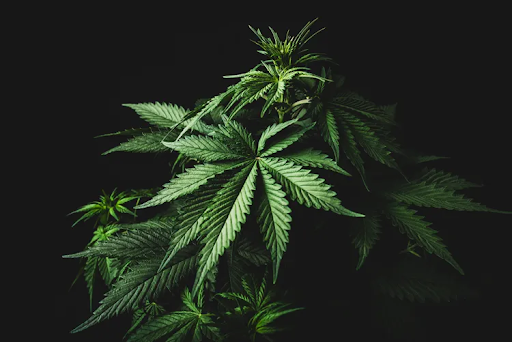
What is Marijuana?
Marijuana or cannabis is one of the most widely used substances in the world. It comes in many forms and is available for both medical and recreational use in most parts of the U.S. Many people use marijuana to help them relax and unwind, and even to enter an altered state of consciousness. The prolific use of marijuana over the last several years has led to an explosion of new research. However, the findings have not been all positive. As we’ve come to a better understanding of how marijuana affects the brain, the potential health risks have become more and more apparent. So, what do we actually know about marijuana? How could it be affecting your brain health and what are the potential risks of regular use?
Marijuana contains two primary substances called cannabinoids, CBD and THC that we commonly think of when we talk about marijuana. CBD is familiar to most people due to its widespread use in many health products. From lotions to gummies and even in coffee, CBD is used to help with inflammation, pain management, and even to help with anxiety and nausea. While research is limited, CBD is generally considered safe and most CBD products are available over the counter.
The other main cannabinoid in mairjuana is THC. This is the main psychoactive substance in marijuana and is responsible for the “high” people experience when using it. Unlike CBD, THC can have major impacts on the brain with both short term and long term use. The feeling of getting high can be a powerful incentive to keep using but can also expose users to serious health risks.
Is Marijuana Addictive?
Yes, mairijuana can be addictive. Cannabis Use Disorder is a condition that occurs when individuals are unable to quit using marijuana, often in spite of negative effects on their health and relationships. An estimated 30% of marijuana users develop Cannabis Use Disorder. Researchers believe this is due in part to current marijuana being much more concentrated than previous strains. The amount of THC in marijuana products has increased over the last few decades, leading to a higher risk of over consumption and the development of Cannabis Use Disorder.
How Does Marijuana Impact Brain Health?
The potential dangers of marijuana use extend far beyond just addiction. SPECT scans done by the Amen Clinic found that daily marijuana use significantly reduced blood flow to all areas of the brain. The area of the brain most affected was the hippocampus, which is responsible for coding and storing long term memories. Lack of blood flow can cause damage to the brain over time. Researchers concluded that chronic marijuna use could significantly increase the risk of dementia and Alzheimer's disease.
The American Journal of Drug and Alcohol Abuse found that chronic marijuana use can negatively impact cognitive functioning. Adolescents are especially susceptible. Regular marijuana use among teenagers can interfere with school performance and can even prevent normal brain development. When it comes to marijuana, the younger you start and the more you use, the more likely you are to experience the negative effects on your health.
Regular marijuana use can also have a major impact on your mental health. There is a growing body of evidence that marijuana can increase depression and anxiety, especially in teens and younger adults. Heavy use has also been linked to the development of serious psychiatric disorders like schizophrenia. It is unclear why some chronic marijuana users develop schizophrenia, while others don’t. What we do know is that marijuana can put you at serious risk of mental health problems or make existing mental health problems worse.
What’s the Alternative?
Just like any other drug, people use marijuana because it makes them feel good, at least at first. For many users, getting high is a simple way to manage life’s many stressors. However, marijuana is not a permanent solution and can cause even more problems. Daily users are at a much higher risk of health problems due to marijuana use. Teenagers are especially susceptible. If you are a parent, it is important to talk to your teens about marijuana and its potential side effects. Avoiding marijuana use in adolescence can help protect teen’s brains, ensuring that they are able to grow and thrive.
One of the major reasons marijuana has become so popular is because it feels so good. However, the health risks are very real. The short-term feelings of euphoria could be costing you more than you realize. Many people struggle to quit because they don’t know how to experience those good feelings without it. If you have found yourself turning to marijuana or other substances to help you sleep, manage stress, or cope with mental health symptoms, you are not alone. However, there are other alternatives to help you manage these challenges, without the kinds of health risks posed by marijuana.
Options like talk therapy, meditation, and neurofeedback can give you the tools to manage life’s stressors without relying on marijuana. Here at Mind Body Neuro, we are committed to providing science-based therapies to help to take control of your mental health. Your brain is irreplaceable and keeping it healthy will help ensure that you live a happy, full life. If you are looking for alternatives to substance use, or just want to learn more about how marijuana may be affecting your brain, reach out to our team today.
Sources:
Amen, D. G., Darmal, B., Raji, C. A., Bao, W., Jorandby, L., Meysami, S., & Raghavendra, C. S. (2016). Discriminative properties of hippocampal hypoperfusion in marijuana users compared to healthy controls: Implications for Marijuana Administration in alzheimer’s dementia. Journal of Alzheimer’s Disease, 56(1), 261–273. https://doi.org/10.3233/jad-160833
Burggren, A. C., Shirazi, A., Ginder, N., & London, E. D. (2019). Cannabis effects on brain structure, function, and cognition: Considerations for medical uses of cannabis and its derivatives. The American Journal of Drug and Alcohol Abuse, 45(6), 563–579. https://doi.org/10.1080/00952990.2019.1634086
Cannabis and Brain Health | Cannabis and Public Health | CDC. (n.d.-a). https://www.cdc.gov/cannabis/health-effects/brain-health.html
The facts about marijuana | Children’s Hospital Colorado. (n.d.-d). https://www.childrenscolorado.org/just-ask-childrens/articles/facts-about-marijuana/
HALL, W., & DEGENHARDT, L. (2008). Cannabis use and the risk of developing a psychotic disorder. World Psychiatry, 7(2), 68–71. https://doi.org/10.1002/j.2051-5545.2008.tb00158.x
Marijuana drops blood flow in the brain | amen clinics | amen clinics. (n.d.-b). https://www.amenclinics.com/blog/amen-research-marijuana-affects-blood-flow-brain/
Scary ways marijuana impacts the developing brain | amen clinics. (n.d.-c). https://www.amenclinics.com/blog/scary-ways-marijuana-impacts-the-developing-brain/
Understanding your risk for cannabis use disorder | Cannabis and Public Health | CDC. (n.d.-e). https://www.cdc.gov/cannabis/health-effects/cannabis-use-disorder.html
Xue, S., Husain, M. I., Zhao, H., & Ravindran, A. V. (2020). Cannabis use and prospective long-term association with anxiety: A systematic review and meta-analysis of longitudinal studies: Usage du cannabis et association prospective à long terme avec l’anxiété: Une Revue systématique et une méta-analyse d’études longitudinales. The Canadian Journal of Psychiatry, 66(2), 126–138. https://doi.org/10.1177/0706743720952251