What Does it Take to be a Neurofeedback Clinician?
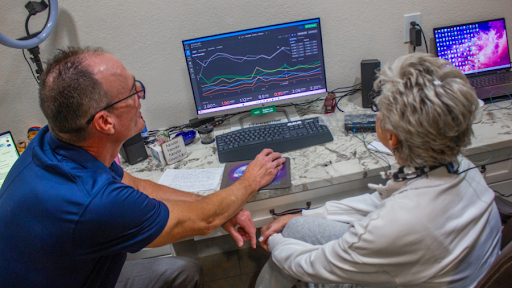
Neurofeedback is a rapidly growing field, with new research coming out about its wide array of potential benefits. Neurofeedback has come a long way in recent decades with more and more sophisticated software and techniques being utilized to help clients feel their best. Neurofeedback clinicians need to have a rich understanding of how the brain works and a strong technical knowledge about the many kinds of technology used in the neurofeedback process. For the client, it is important to know that your brain health is in the hands of a competent professional. So, what does it take to become a neurofeedback therapist?
Neurofeedback therapy, like other therapies, is highly regulated. Prospective clinicians must undergo rigorous training and supervision in order to get the necessary certifications to practice neurofeedback. The Biofeedback Certification International Alliance (BCIA) is responsible for overseeing neurofeedback practices worldwide. Clinicians must get certified by BCIA before practicing independently and must apply for recertification every four years. Clinicians who are not certified are allowed to practice neurofeedback only under the supervision of a BCIA certified, fully licensed healthcare professional.
The first step to becoming a full-certified neurofeedback clinician is finding a BCIA-approved mentor. Mentors are fully licensed healthcare professionals who are fully certified neurofeedback clinicians with at least 5 years of experience practicing neurofeedback. Prospective candidates will need to complete at least 25 hours of one-on-one training with their mentor. During mentoring hours, prospective clinicians will learn how to use the neurofeedback equipment, sensor placement and how to run a session with a client.
Candidates will need to do 100 neurofeedback sessions with clients, complete 10 case studies, and do 10 sessions of neurofeedback on themselves, under the supervision of their mentor. Candidates are also required to complete a 36 hour neurofeedback didactic training course, as well as a BCIA-approved neurobiology/neurophysiology course. Candidates will need to carefully document their progress and training throughout the process. Mentors will need to also keep careful record of their candidate’s progress to ensure that they are meeting BCIA standards.
When a candidate has completed the necessary training requirements and client hours, they are ready to take the certification exam. The BCIA exam is typically 100 questions and reviews a wide range of knowledge about the brain, neurofeedback equipment, ethics, and best practices. Passing the exam is a demonstration of the necessary skills and competencies needed to practice neurofeedback safely and effectively.
Once a candidate has completed all the necessary requirements, their application is reviewed by the BCIA certification board. Once a candidate is certified, they are added to the BCIA database. This allows clients to be able to find competent, experienced neurofeedback clinicians in their area. Neurofeedback clinicians can go on to complete further training to provide specific kinds of training and work with specific populations. It is important to discuss your specific condition and symptoms with your neurofeedback provider before beginning training.
Becoming a neurofeedback provider is a rigorous process but a rewarding one. Here at Mind Body Neuro, we are committed to providing our clients with the best quality care, utilizing cutting-edge technology to build connections that change lives. Our dedicated team of board certified neurofeedback therapists are here to help you start your neurofeedback journey. Contact us today to learn more about how neurofeedback can help you unlock your healthiest brain yet!
You can learn more about the certification process by visiting BCIA.org
Written by Colleen Longua BCN-T, QEEG-T