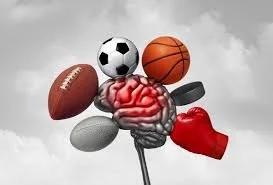
Whether it’s playing a sport or slipping on an icy driveway, most of us will get a concussion at some point in life. Usually, a concussion will heal on its own, but sometimes, it can cause damage to the brain that may last for weeks or months. However, there is hope for concussion recovery whether it has been weeks or even years since the initial injury. QEEG brain mapping and neurofeedback can help with faster recovery, allowing you to feel like yourself again after a concussion.
There are many reasons why you may struggle to recover after a head injury. While most concussions resolve within a few weeks or months, 20-50% of people still experience the negative effects of a head injury for several months after, with some people still experiencing symptoms a year or more later. Concussion symptoms can include brain fog, memory loss, fatigue, poor sleep, mood changes, headaches, dizziness, and sensitivity to light and sound. These symptoms can be mild for some people but may be severe, interfering with work and other daily activities (McCallum, 2024).
A history of concussions or migraines, previous mental health challenges, and the severity of the concussion can all cause symptoms to persist longer than normal. Getting plenty of rest, staying hydrated and avoiding activities that may exacerbate a head injury can all help the healing process. (Hyperbarics of North Dakota, 2025). However, this isn’t always enough and many people may find themselves unable to bounce back.
When it comes to concussions, traditional brain imaging may not be able to provide the full picture. Traditional brain imaging like MRIs and SPECT scans can show structural damage to the brain. These can be tremendously beneficial, especially in the case of more severe brain injuries. However, mild brain injuries, like many concussions, can primarily cause damage to brain networks, without causing structural damage to the brain or skull. In these cases, the functional changes caused by a concussion may not show up in traditional brain scans. This is where QEEG brain mapping can fill in the gaps.
QEEG brain mapping is a non-invasive brain imaging technique that looks at the electrical activity produced by neurons on the cortical surface. These electrical signals, called brain waves, can provide a clear picture of how different networks in the brain are functioning. A qualified QEEG clinician can use these brain waves to “map” the brain and see areas where there may be functional damage after a concussion. While it may seem like this functional damage has to resolve on its own, neurofeedback provides a solution to kick concussion symptoms.
A qualified neurofeedback professional can use the information from a QEEG brain map to reverse the damage from a concussion. Neurofeedback is a form of learning that targets patterns in the brain through repeated, positive feedback. This non-invasive, science-based approach has been used to help individuals recover from head injuries faster and feel like themselves again. Current research on neurofeedback for concussion recovery has led to its wider adoption as an effective intervention.
Neurofeedback for concussion recovery is not a new intervention. A study from the NeuroRehabilitation Journal in 2014 concluded that neurofeedback was effective in improving functional connectivity in the brain, following a concussion. This resulted in marked improvement of concussion symptoms in participants. More recently, a 2025 study from the U.S. Department of Veterans Affairs found that just 20 sessions of neurofeedback resulted in fewer headaches, better sleep and attention, and improved mood. Researchers concluded that this showed great potential for the future of concussion recovery.
If you are someone you know is struggling with concussion symptoms, it’s time to see if neurofeedback is right for you. Recovery is possible and may be closer than you think. To learn more, contact our office to start your neurofeedback journey today.