Biofeedback vs. Neurofeedback
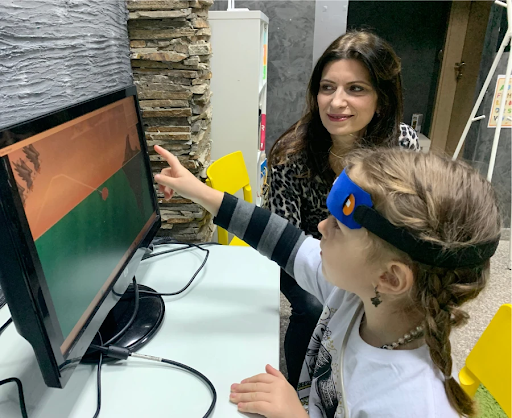
Biofeedback is a word that many of you may already be familiar with. Biofeedback refers to a wide array of techniques that help individuals learn to regulate their physiological responses to improve their health. While it may sound complex, biofeedback is often very simple. It can be as basic as learning to control your breathing to help manage stress and anxiety. Biofeedback can also be used to regulate heart rate, heart rate variability (HRV), galvanic skin response, muscle tension, and even blood flow.
By changing physiological responses, we can alter how we feel and even improve our health long-term. For example, training heart rate variability (HRV) has been shown to significantly improve cardiovascular health. Other types of biofeedback like EMG training (aimed at reducing muscle tension) can help relieve physical tension and pain. HEG biofeedback, which is used to increase blood flow to the brain can improve focus and even reduce headaches.
Biofeedback uses a simple feedback mechanism to help individuals achieve a desired physiological response. For example, when doing HEG biofeedback, clients typically wear a headband that monitors blood flow to the frontal lobe. The client will be watching a computer screen that provides live feedback based on the HEG recording. Clients will receive positive feedback from the screen as blood flow increases. Through repeated training, clients will be able to increase their HEG score without needing the positive feedback. Training voluntary control of physiological responses is the basis for biofeedback.
How is Neurofeedback Different?
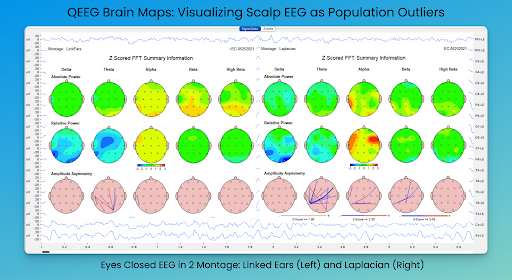
Neurofeedback uses the same principle of real-time, positive feedback as biofeedback. However, neurofeedback doesn’t just train physiological responses. Instead, neurofeedback goes right to the source, restraining the patterns that underlie everything our brains and bodies do. Our brains produce electrical activity called brain waves that control everything from our mood, to sleep, to focus, relaxation, and even blood flow. When our brain waves become dysregulated, it can leave us feeling anxious, fatigued, depressed, and can even cause physical symptoms like headaches and chronic pain. You can think of it like a symphony of tiny, electrical signals. Each brain wave has a role to play. When these brain waves are working well, our bodies can function the way they’re supposed to.
Neurofeedback’s Effects on the Body
Biofeedback trains peripheral measures like skin temperature, heart rate, and muscle tension. Neurofeedback trains the brain waves that control all of these peripheral measures. Training the brain directly can positively impact physiological responses like heart rate variability (HRV) and blood flow. A 2012 article published in the NeuroImage journal found that neurofeedback was linked to improved blood, oxygen levels in participants. More recently, a 2025 study found that just two 60 minute sessions of neurofeedback improved participants' HRV scores.
We see the positive effects of neurofeedback on the body in clinical practice as well. Clients often find that neurofeedback makes it easier to relax, often leading to less muscle tension and fewer symptoms like jaw clenching and headaches. I have also had clients report that they have an easier time taking deep breaths, and slow down their heart rate when they feel stressed or anxious. By changing brain waves, we can bring the whole body back into balance.
Using Biofeedback and Neurofeedback Together
When helping the brain and body function at its best, having a holistic approach is key. Using biofeedback and neurofeedback together can be a powerful combination that can lead to lasting relief from both physical and psychological symptoms. For some individuals, biofeedback may be helpful to implement before starting neurofeedback training. For particularly anxious people, starting with HRV training can help calm the nervous system and prime the brain for training. HEG biofeedback can help clients with persistent headaches, reducing discomfort and making it easier to focus when doing neurofeedback.
If you are struggling with symptoms like anxiety, depression, chronic pain, headaches or migraines, neurofeedback and biofeedback may be able to provide lasting relief. It is always important to talk to your neurofeedback or biofeedback provider about your specific condition and goals, so they can best meet your needs. Here at Mind Body Neuro, we believe in an integrative approach, utilizing both biofeedback and neurofeedback to help our clients see real, lasting change. Contact our office today to learn more and start your journey towards becoming the healthiest you!
Written by Colleen Longua BCN-T, QEEG-T
References
Harper, D. M. (2021). Family medicine researchers—why? who? how? when? Family Medicine. https://doi.org/10.22454/fammed.2021.629549
Heg Neurofeedback. nct Neurofeedback Clinic. (n.d.). https://www.nctneurofeedback.com/what-is-heg
Hymaan, M. (n.d.). The science of heart rate variability-and how to use HRV to improve Yo. Mark Hyman, MD. https://drhyman.com/blogs/content/the-science-of-heart-rate-variability
Mathew, J., Galacgac, J., Smith, M. L., Du, P., & Cakmak, Y. O. (2025). The impact of alpha‐neurofeedback training on Gastric slow wave activity and heart rate variability in humans. Neurogastroenterology & Motility, 37(5). https://doi.org/10.1111/nmo.15009
Weiskopf, N. (2012). Real-time fmri and its application to neurofeedback. NeuroImage, 62(2), 682–692. https://doi.org/10.1016/j.neuroimage.2011.10.009