Neurofeedback 101
What is Neurofeedback?
This is one of the most common questions I get asked as a neurofeedback clinician. This usually leads to a slurry of follow-up questions ranging from how neurofeedback works to whether or not you can see what people are thinking about during a neurofeedback session. For our clients, neurofeedback isn’t just an interesting conversation, it is about creating new connections that change lives. Whether you are considering neurofeedback for yourself or a loved one, or are just simply curious, I hope this guide provides answers to your biggest neurofeedback questions.
At its simplest, neurofeedback is a form of self-regulation that trains the brain to function optimally. Our brains are made up of close to 100,000 billion neurons that communicate with each other through electrical signals. Neurons form complex networks that control everything from sleep to focus to how we feel about ourselves. Together, this symphony of electrical activity (known as brain waves) is what makes our brains and by extension, our bodies tick.
These neural networks are dynamic, changing as we learn and grow. Our genetics, thoughts, memories, habits, and experiences all shape how our neurons fire and wire together. By changing our neural pathways, we can change how we feel, work, and move through the world. Neurofeedback involves learning to regulate these electrical patterns, to train our brains to function more optimally.
How Does it Work?
We can measure these brain waves and build a map of how your brain is functioning using quantitative electroencepholography (QEEG). This is a non-invasive method of measuring the brain’s electrical activity. Because this electrical signal is so small (measured in microvolts), the signal is processed by an amplifier that makes the signal large enough to read. Using specialized software, brain waves are analyzed and then used to develop a clear picture of overall brain activity, called a brain map.
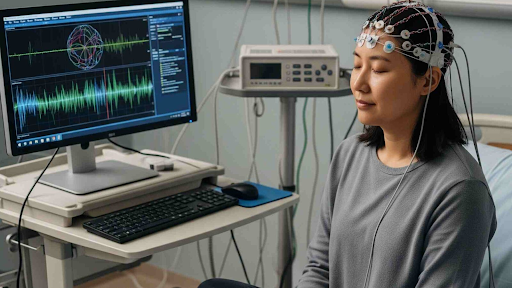
This is a non-invasive process that involves using an EEG cap (similar to a swim cap) with sensors that go on the head. Sensors are filled with salt gel that picks up the EEG. A typical EEG recording is about 10-20 minutes though some can be as long as 40 minutes. Using a QEEG brain map, a qualified clinician can determine the appropriate neurofeedback protocols based on the EEG findings and client goals.
Neurofeedback uses positive reinforcement to shape the electrical patterns in the brain to achieve specific, measurable changes in brain activity. A typical session involves placing sensors on the scalp to measure electrical activity coming from the brain. The electrical activity is then read by special software that provides real time feedback based on brain wave activity. Typically, clients notice improvement in symptoms within 7-10 sessions but some clients may notice improvement as early as the first session!
Who Can Benefit?
Neurofeedback is highly versatile and can be used to help with a variety of conditions including ADHD and ASD, anxiety, depression, PTSD, insomnia, seizures, mild cognitive decline, concussion recovery, and even chronic pain. While most neurofeedback providers are well versed in working with a variety of clients, it is important that you choose a provider that is qualified to work with your specific condition. Your neurofeedback provider may have you complete other assessments and psychiatric testing to better understand your clinical history and needs. For some conditions such as PTSD, talk therapy may be recommended in tandem with neurofeedback.
When determining if neurofeedback is right for you, there are a few factors to consider. Neurofeedback is a learning process that requires regular sessions to ensure consistent growth and change. It takes time to create new neural connections and build a better brain. Ideally, clients should train 2-3 times a week. Attending sessions often and consistently, eating well, staying hydrated, and practicing good sleep habits are all key components in successful neurofeedback training.
Some prescription medications and many recreational drugs like marijuana can significantly impact the neurofeedback process. It is important to tell your neurofeedback provider if you are taking any medications or using any recreational drugs. In some cases, your neurofeedback provider may ask you to contact your prescribing physician to inform them that you are starting neurofeedback training. You should never adjust, start, or discontinue any medications without first consulting your prescribing physician.
What Does a Typical Session Look Like?
Neurofeedback training is a non-invasive, painless process that usually takes 30-50 minutes per session 1-3 times a week. A qualified neurofeedback technician will be running your session and monitoring your progress throughout the training. Your neurofeedback technician will either use an EEG cap or individual sensors placed on your head to record your EEG. It is recommended that you avoid using excessive product in your hair prior to your neurofeedback session as that can make it more difficult to place the sensors.
Once the sensors are placed, your neurofeedback technician will typically have you sit in a comfortable chair, facing a computer monitor. Most neurofeedback is done with visual feedback on the computer screen but it can be done with auditory feedback (sound) in some cases. Your neurofeedback technician will explain the goal of each session. For example, if the goal is to improve focus and attention, the goal may be to reduce the power of slower brain wave activity.
Your neurofeedback technician will set a specific goal or threshold for where we want brain wave power to be in a given session. Every time brain wave activity meets that threshold, you will receive positive feedback either in the form of visual change on the computer screen or a change in sound if you are doing auditory feedback. It may take some time for your brain to figure out how to achieve the specific training goal, so don’t be discouraged if training feels hard at first. Your neurofeedback technician will coach you through the session, adjusting the training as needed to make it more or less challenging.
Neurofeedback training is like a workout for your brain. Just like going to the gym, it takes repetition to build new neural pathways. It is normal to feel a little tired after your neurofeedback sessions. It is a good idea to drink plenty of water and bring a healthy snack with you, for after your sessions.
How Long Does Neurofeedback Take?
Clients can notice improvement in symptoms as early as the first few sessions, however the number of total sessions needed can vary depending on the person. While most clients complete 20-50 sessions of neurofeedback, some conditions may require more sessions to see lasting results. Factors such as age, medications, substance use, health history, and mental health goals can change how many sessions you may need. Based on current research, it is recommended to do at least 20 sessions of neurofeedback to see lasting improvement in symptoms. Based on your QEEG your neurofeedback clinician can work with you to determine how many sessions of training you may need to meet your goals.
How Do I Get Started?
If you are in the Denver or Chicago area, you can contact one of our two offices through our website at mindbodyneurotherapy.com. You can also find a neurofeedback provider near you at BCIA.org to find a board certified neurofeedback clinician in your area. To learn more about neurofeedback and how you can improve your brain health, check out our other blog posts.
At Mind Body Neuro, we are passionate about making connections that change lives, one session at a time. Our team of board-certified neurofeedback specialists are committed to helping you take control of your brain health. Relief is possible. If you feel like you have tried everything, we are here to help. If you are ready to unlock your brain’s potential, contact us to start your journey today.
Written by Colleen Longua BCN-T, QEEG-T